
The brands that won FIFA 2026
Every four years the FIFA World Cup becomes the world’s largest marketing pitch. Billions in sponsorship, a global audience and every major brand fighting for a share of attention. Yet what surprised us this year was that the most interesting work at the 2026 tournament hasn’t come from the biggest logos or the deepest pockets. It has come from brands doing something most retailers spend their careers trying to master.
Finding one small, human moment inside the customer experience and owning it.
That is the lens we care about.
In retail you rarely win by spending the most. You win by understanding the customer’s moment better than anyone else - the queue, the receipt, the unboxing, the small unexpected delight.
Here are five World Cup brand campaigns that did exactly that, and what each teaches brands and retailers who will never buy a stadium naming right.
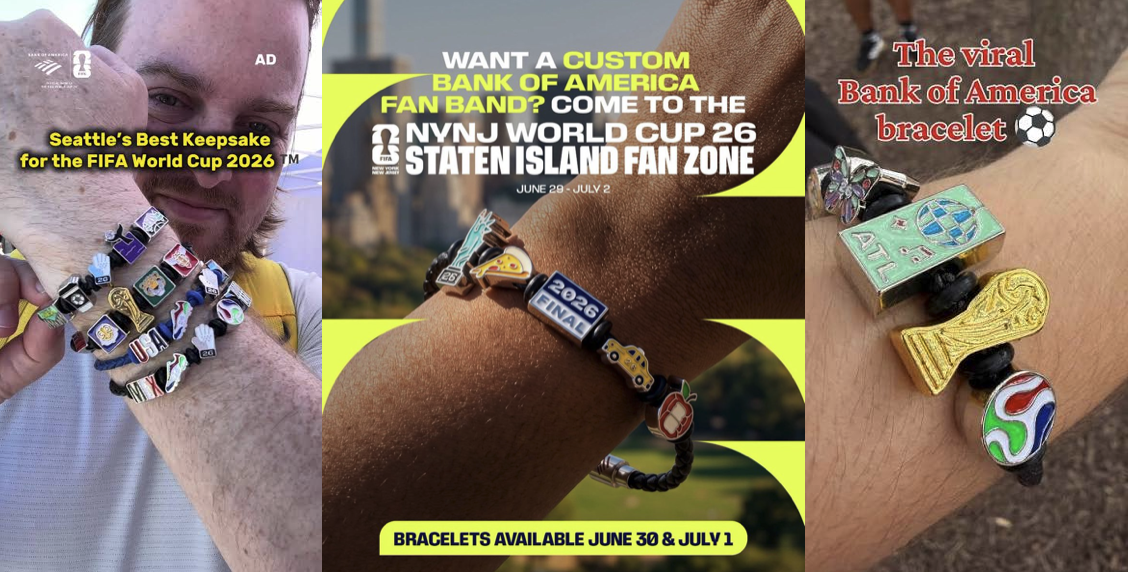
Bank of America Fan Bands - simplicity beats spectacle.
What they did. Free, build-your-own beaded bracelets across eleven US host cities - fans chose their own cord colour and beads. They went viral and queues ran for hours. Elsewhere, brands spent millions (e.g. on elaborate drone shows) and generated less conversation.
Why it worked. It was tangible, personal, free and it made the fan the maker rather than the spectator. It also tapped into that ‘collector’ / scarcity mindset.
The retail lesson. Delight doesn’t have to be expensive or high-tech. A simple, well-designed giveaway (something the customer builds, keeps and shows off) can generate more warmth and word-of-mouth than a big-budget spectacle. In-store, the humble, thoughtful touch often outperforms the flashy one.
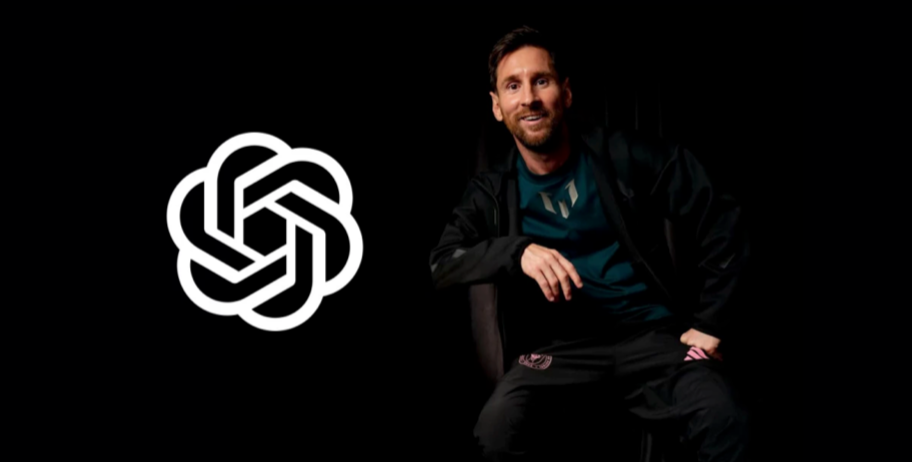
OpenAI #MessiMode - make the customer the creator.
What they did. Lionel Messi (who famously came out earlier in the year saying he never uses ChatGPT), used ChatGPT to recolour his hair in Argentina’s colours. OpenAI then handed fans the exact same prompt to try on their own photos. It worked. Users sent more than 17 million World Cup-related prompts in a single week.
Why it worked. The product feature was the campaign. Instead of showing off, it invited participation.
The retail lesson. The strongest engagement turns customers from an audience into participants. Personalisation, user-generated content, or a simple mechanic that lets people co-create. It gives customers something to do, not just something to watch. Participation builds ownership, and ownership builds loyalty.
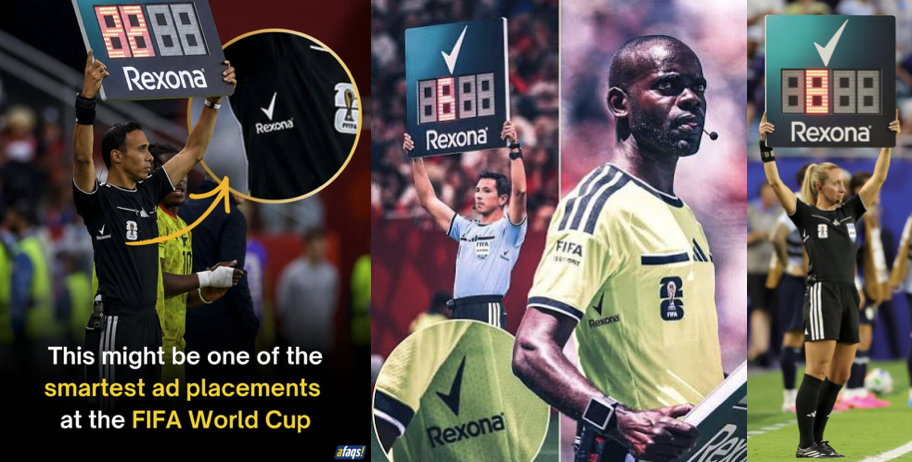
Rexona’s ‘armpit sponsorship’ - find the space nobody is bidding for.
What they did. Rather than compete for premium ad space, Rexona placed its branding on the underarms of match officials (the one piece of real estate revealed every time an official raised a flag).
Why it worked. It was cheeky, perfectly on-brand for a deodorant, and impossible to un-see: attention captured exactly where no one else was competing.
The retail lesson. The most valuable customer touchpoints are often the overlooked ones: the receipt, the carrier bag, the hold music, the delivery box, the queue. While everyone fights over the expensive, obvious channels, the neglected moment is cheap, uncluttered and entirely yours. Find your armpit.
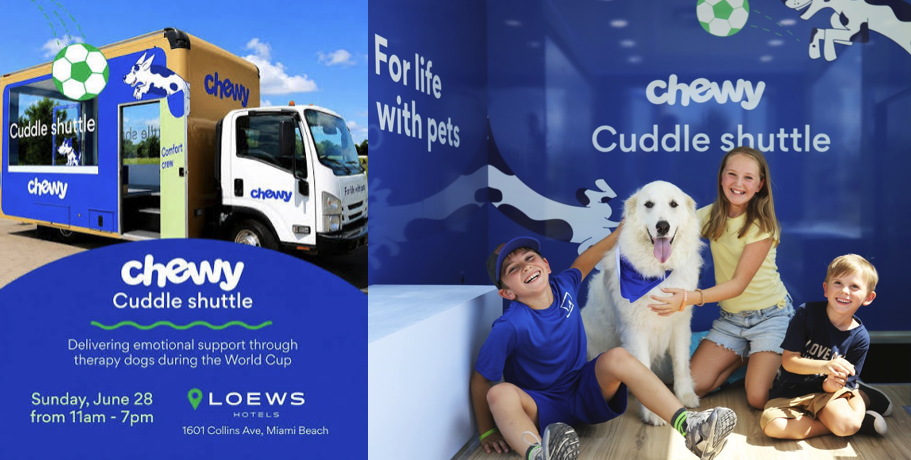
Chewy’s Cuddle Shuttle - own an emotion, not a transaction.
What they did. Your team lost? The pet retailer sent a branded van around the US offering fans therapy-dog cuddle sessions: no hard sell, just a moment of calm in the tournament chaos.
Why it worked. It attached an emotion (comfort, joy) to the brand in a way no discount ever could.
The retail lesson. Customers remember how you made them feel long after they forget what you sold them. The brands that build genuine loyalty aren’t merely efficient; they own an emotional moment in the customer’s day. Decide what feeling you want to be associated with, then design an experience that delivers it. Bonus points if dogs / puppies involved.
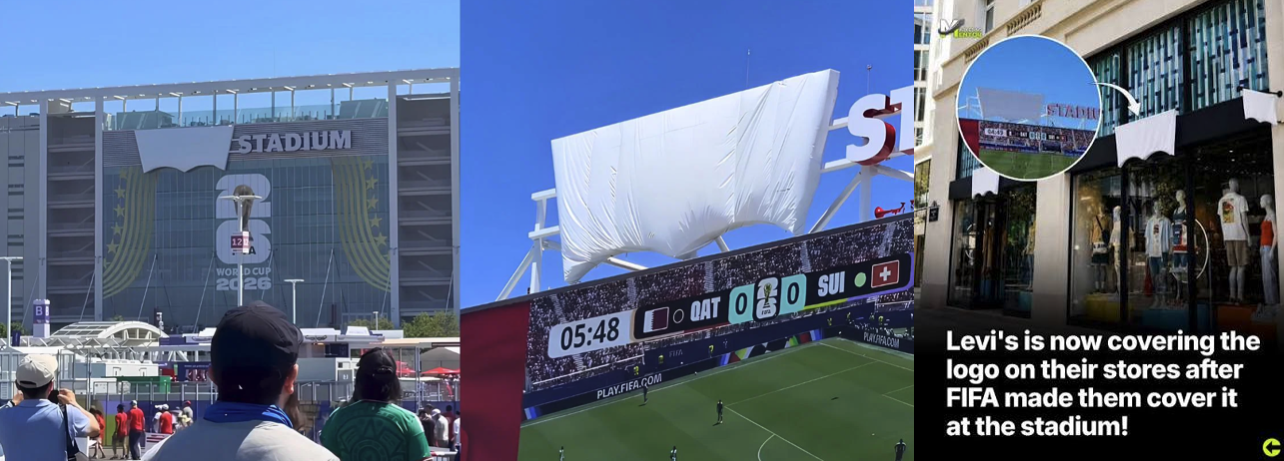
Levi’s and Heinz - be so distinctive you’re recognisable even when hidden.
What they did. Neither Levi’s and Heinz is an official FIFA sponsor, so inside stadiums their logos were tarped and sauce bottles were taped over. Both leaned all the way in: Levi’s rebranded its covered venue the ‘[redacted] stadium’ and draped white sheets over storefronts worldwide, while Heinz built an ‘Unofficial Stadium Ketchup’ campaign around its blacked-out bottle. They even riffed off each other publicly on social media.
Why it worked. Their brand assets (the batwing, the keystone label, the colours and shapes) are so distinctive that customers knew exactly who they were without a single word. And they reacted at the speed of culture.
The retail lesson. Two things. First, invest in distinctive brand assets (colours, shapes, tone) so you’re recognisable in any context, even an awkward one. Second, agility is a brand superpower: the fastest, wittiest reaction to a live moment beats the most expensive planned one. And don’t take yourself too seriously.
The common thread?
None of these brands won by shouting louder or spending more. Bank of America made the fan the maker. OpenAI made the customer the creator. Rexona found the unclaimed space. Chewy owned an emotion. Levi’s and Heinz turned a restriction into a wink. Every one of them started with the customer’s moment, not the brand’s message. That is the real trophy, and it isn’t reserved for brands with World Cup budgets. The same principles win in a shopfront, an app, or a checkout queue.
Find the moment your customer is actually in, and make it unexpectedly better.
